
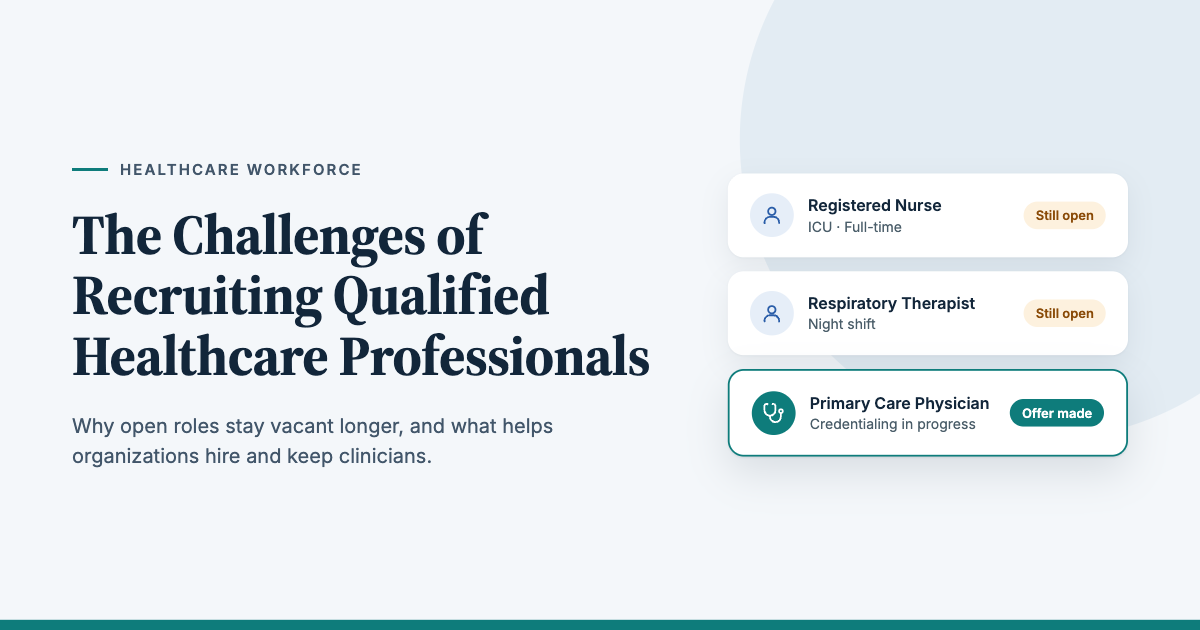
Hospitals, clinics, and long-term care facilities across the country are competing for a shrinking pool of qualified workers. From registered nurses to respiratory therapists to primary care physicians, open positions are staying vacant longer than ever. The effects reach patients directly through delayed treatment, longer wait times, and added strain on the staff still on the floor.
Understanding why recruitment has become so difficult is the first step toward building a workforce that can meet growing demand. Below, we look at the main barriers and the strategies that are making a real difference.
A Widening Gap Between Supply and Demand
The core problem is simple arithmetic. An aging population needs more care, while many experienced clinicians are nearing retirement at the same time.
The pipeline of new professionals cannot grow fast enough to close the gap. Nursing schools turn away qualified applicants every year because they lack faculty, clinical placements, and classroom space.
To keep units open, many organizations are turning to healthcare labor solutions such as travel staffing, per diem pools, and international recruitment. These approaches help in the short term, but they often come at a premium and do little to fix the underlying shortage.
Burnout Drives Experienced Staff Away
Recruiting is only half the battle; keeping people is just as hard. Long shifts, heavy patient loads, administrative burden, and the emotional toll of clinical work have pushed many professionals to cut their hours, switch specialties, or leave healthcare entirely.
Paperwork plays a bigger role than many leaders expect. Clinicians often finish charting after hours, and that “pajama time” is one of the most common complaints behind clinician burnout and documentation fatigue.
Each departure increases pressure on the colleagues who remain, which can set off a cycle of further turnover. New hires who join understaffed teams often feel unsupported during their first year, the period when early resignations are most common. Facilities that cannot offer a manageable workload also struggle to attract candidates who have already heard about conditions from their peers.
Credentialing Delays and Geographic Barriers
Even when a strong candidate is found, the hiring process can stall. Licensing, background checks, credential verification, and payer enrollment can take weeks or months, and some candidates accept other offers while they wait.
Clinicians moving across state lines may face additional licensing steps, although interstate compacts for nurses and physicians have eased this burden in many states.
Rural and underserved communities face an extra hurdle. Fewer amenities, limited job opportunities for spouses, and professional isolation make these positions harder to fill, even when they offer higher pay.
Intense Competition for Talent
Healthcare employers now compete not only with each other but also with telehealth companies, insurers, pharmaceutical firms, and staffing agencies that offer flexible schedules or remote work.
Large health systems can afford sign-on bonuses, relocation packages, and tuition repayment, leaving smaller hospitals and independent practices at a disadvantage. Wage expectations have risen sharply, and organizations operating on thin margins must balance competitive pay against financial sustainability.
Candidates increasingly compare the total package rather than salary alone, including:
- Scheduling flexibility
- Manageable workload and documentation demands
- Mental health support
- Career advancement opportunities
Building a Stronger Recruitment Strategy
No single fix will solve the shortage, but several strategies can make a real difference:
- Partner with local colleges. Offering clinical rotations creates a pipeline of graduates who already know the organization and its culture.
- Streamline onboarding. Starting credentialing early and removing unnecessary steps shortens time to hire, so strong candidates are less likely to accept other offers.
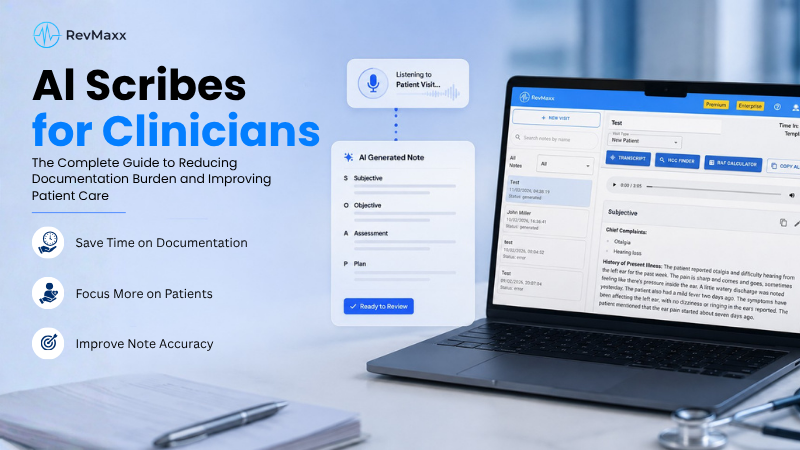
- Reduce administrative load. Simplifying documentation workflows gives clinicians more time with patients. Some organizations use an ambient AI medical scribe to draft visit notes, and long-term care facilities are exploring similar tools for nursing home charting.
- Invest in retention. Mentorship programs, reasonable staffing ratios, and clear career ladders reduce the need to recruit in the first place.
- Plan ahead. Treat workforce planning as an ongoing priority, not a reaction to vacancies.
Organizations that combine smart hiring with a workload people can sustain will be best positioned to attract and keep the qualified professionals their patients depend on.
Frequently Asked Questions
Why is it so hard to recruit healthcare professionals?
Demand for care is rising as the population ages, while many experienced clinicians are retiring and training programs cannot expand fast enough. Burnout, credentialing delays, and competition from other employers make the gap harder to close.
How does burnout affect healthcare recruitment?
Burnout pushes experienced staff to reduce hours or leave, which raises the workload for remaining colleagues and can trigger more turnover. Candidates often hear about these conditions from peers and avoid facilities with a reputation for heavy workloads.
How can healthcare organizations improve staff retention?
Common approaches include mentorship for new hires, reasonable staffing ratios, clear career paths, flexible scheduling, and reducing administrative tasks such as after-hours documentation.
How long does healthcare credentialing take?
Licensing, background checks, credential verification, and payer enrollment can take weeks or months, which is why starting the process early is one of the simplest ways to shorten time to hire.