
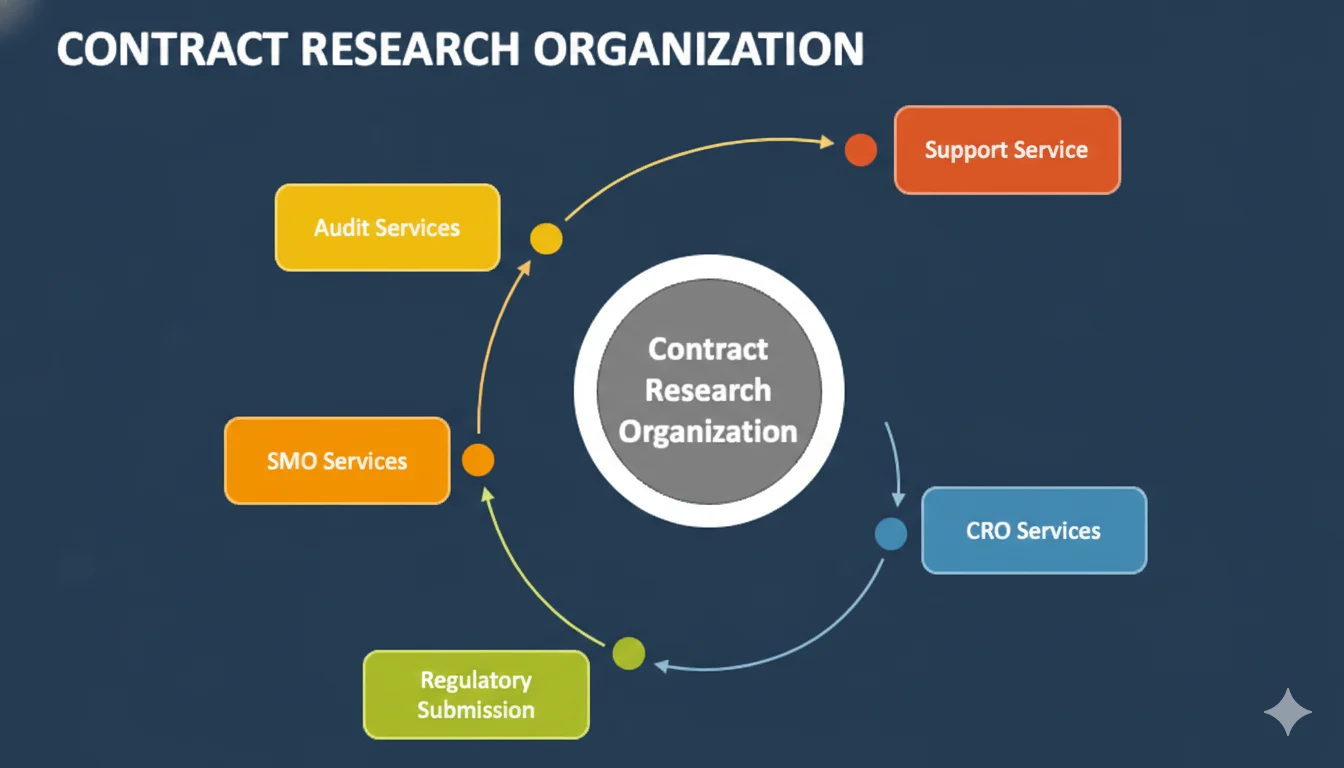
Clinical development is a long, detailed‑heavy journey that transforms early scientific ideas into evidence‑based medical products. This process demands coordination between researchers, clinicians, statisticians, regulatory bodies, and data specialists. Because most organizations do not have the internal structure to manage every stage of this journey, they rely on Contract Research Organizations (CROs) to support and streamline the work.
CROs function as operational and scientific partners in research. They contribute specialized knowledge, proven systems, and dedicated teams that make it possible to run studies efficiently and according to global regulatory standards. Their support helps sponsors focus on innovation without compromising data quality, patient safety, or compliance requirements.
To handle these responsibilities comprehensively, many organizations choose to work with a full service CRO that manages the entire spectrum of clinical development activities under one coordinated framework.
1. Designing Scientifically Sound Studies
The foundation of any successful clinical project begins with a clear and well‑structured study design. CROs assist sponsors by preparing:
- Protocols that describe the study’s purpose and methodology
- Feasibility assessments to determine suitable locations and patient populations
- Sample size evaluations and statistical planning
- Timelines, resource mapping, and risk‑based monitoring strategies
A well‑planned study minimizes operational challenges, reduces delays, and ensures that research questions are addressed with scientific rigor.
2. Managing Daily Clinical Operations
Once a study moves from planning to execution, CROs oversee all activities taking place across research sites. Their operational responsibilities include
- Selecting, initiating, and training study sites
- Ensuring that investigators follow Good Clinical Practice (GCP)
- Monitoring patient recruitment and protocol adherence
- Verifying source data and maintaining accurate site records
- Supporting communication between sponsors and research teams
This structured oversight helps maintain consistency across multiple locations and ensures that data collected from participants is reliable.
3. Handling Regulatory and Ethics Documentation
Clinical studies must be reviewed and approved before they begin. CROs prepare and organize all required submissions, such as:
- Ethics committee applications
- Regulatory authority forms and supporting documents
- Investigator brochures and patient information sheets
- Ongoing safety updates and communication reports
By managing these processes, CROs help sponsors remain compliant with international guidelines and avoid preventable delays.
4. Managing and Securing Clinical Data
Accurate data is essential to evaluating a product’s safety and effectiveness. CROs establish systems that uphold data integrity by performing tasks such as:
- Designing electronic data capture (EDC) databases
- Monitoring data entry and resolving discrepancies
- Validating datasets for completeness and accuracy
- Applying standardized coding for medical terms
- Preparing clean datasets for statistical review
Strong data practices support transparent decision‑making and reinforce the credibility of study outcomes.
5. Conducting Biostatistical Analysis
Biostatisticians play a critical role in interpreting study results. CROs offer statistical expertise that includes:
- Crafting statistical analysis plans
- Conducting interim and final analyses
- Creating tables, listings, and figures (TLFs)
- Explaining how results relate to the research objectives
- Supporting responses to regulatory queries involving statistical justification
These analyses provide the evidence needed to determine whether a product meets its intended goals.
6. Managing Post‑Marketing and Real‑World Evidence Studies
Clinical development does not end with product approval. CROs continue supporting sponsors by running:
- Long‑term safety monitoring
- Post‑authorization safety studies (PASS)
- Real‑world evidence (RWE) assessments
- Patient registries and observational research
These studies provide insights into how products perform in everyday use beyond controlled trial settings.
7. Maintaining Quality and Compliance
To ensure that studies remain consistent with global expectations, CROs integrate quality systems across all project stages. Their responsibilities include:
- Developing and following standard operating procedures (SOPs)
- Performing internal audits and site audits
- Implementing risk‑based quality management
- Monitoring protocol compliance and ethical standards
A strong quality framework protects study integrity and builds trust with regulators, clinicians, and patients.
8. Preparing Scientific and Regulatory Documents
Comprehensive documentation is essential for communicating study outcomes. CROs support sponsors by preparing:
- Clinical Study Reports (CSRs)
- Safety narratives
- Protocols and study manuals
- Manuscripts for scientific journals
- Summaries for regulatory submissions
These documents ensure that findings are clearly presented and supported by transparent methodology.
Conclusion
CROs play a central role in clinical development by supporting every stage of research with specialized expertise, structured processes, and rigorous quality controls. From designing study protocols and managing daily operations to analyzing data and preparing scientific reports, CROs provide the framework that allows clinical research to move forward responsibly and efficiently. Their contributions ensure that studies uphold ethical standards, generate reliable evidence, and meet the expectations of global regulatory authorities.