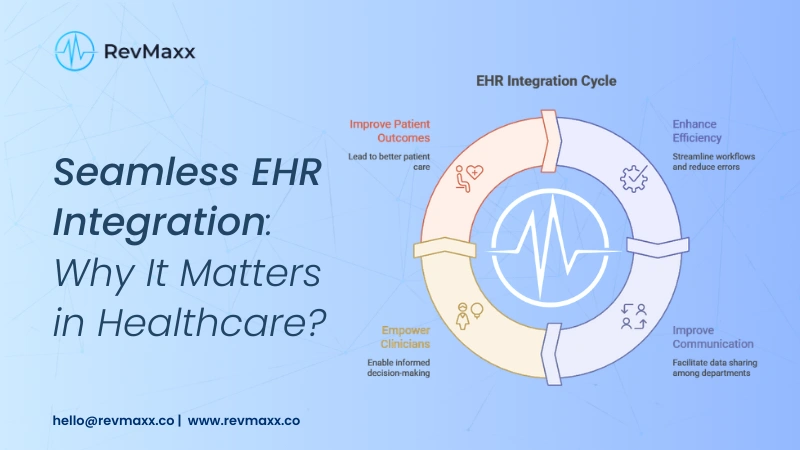
EHR integration has become a necessity in modern healthcare facilities. Whether it is a small healthcare clinic or a large hospital network, managing patient information completely relies on electronic health record (EHR) systems. But if the system doesn’t work well together, doctors and healthcare staff end up spending too much time on paperwork. This is where EHR integration truly matters. When the healthcare clinic and EHR system integrate seamlessly, it reduces errors, delivers better patient care, and makes daily administrative operations smoother than ever before.
Today, in this blog, we are going to explore what EHR integration is, how it works, and why it is crucial for healthcare practices.
What is EHR Integration in healthcare?
EHR integration means connecting electronic healthcare records (EHRs) with different healthcare systems and tools so that patient information flows automatically and securely between them. When these systems are connected, doctors, nurses, and other healthcare staff don’t have to waste their valuable time searching for patient records or entering the same record over and over again. This makes the healthcare settings more accurate, organized, and patient-focused.
For example, when a patient’s blood test results are available, these directly appear on the doctor’s EHR dashboard. No need to upload them manually. By getting a patient’s medical details in one place, physicians can now make faster and better treatment decisions.
What Are the Three Leading EHR Systems?
While there are so many electronic health record (EHR) systems available, three systems stand out as industry leaders:
1. PointClickCare EHR:
PCC is a cloud-based EHR system specially designed for long-term care, senior living, and post-acute care providers. It helps healthcare teams manage patient records, coordinate care, track medications, and streamline billing and compliance tasks.
Features:
- Automates billing, claims, and reimbursement processes to save time and reduce mistakes
- Keeps providers updated with regulatory requirements
- Provides insights into patient outcomes, staff performance, and facility operations
- Offers portals for patients and families to stay informed about care plans and progress
2. eClinicalWorks EHR:
eCW is one of the most popular EHR systems in U.S. healthcare. More than 130000 physicians and 850000 medical professionals are using this for behavioral healthcare services.
Features:
- Customized documentation support available for psychiatry and mental healthcare professionals
- Templates for behavioral health
- Patient portal available to ensure secure communication
- Cloud-based access for remote patient consultations
- Integrated billing and patient scheduling support
3. Nextech EHR:
This cloud-based electronic health record platform is meant primarily for specialty practices such as dermatology, ophthalmology, and plastic surgery. It facilitates physicians to manage patient records, automate workflows, process billing, and enhance patient engagement.
Features:
- Customizable workflow to match clinical practice’s unique needs
- Patients can book appointments, access records, and communicate securely with providers online.
- Easy and secure electronic prescribing with safety checks to reduce errors
- Built-in tools available to simplify billing and ensure faster reimbursements
- Mobile-friendly
What Are the 5 Common Functions of EHR Systems?
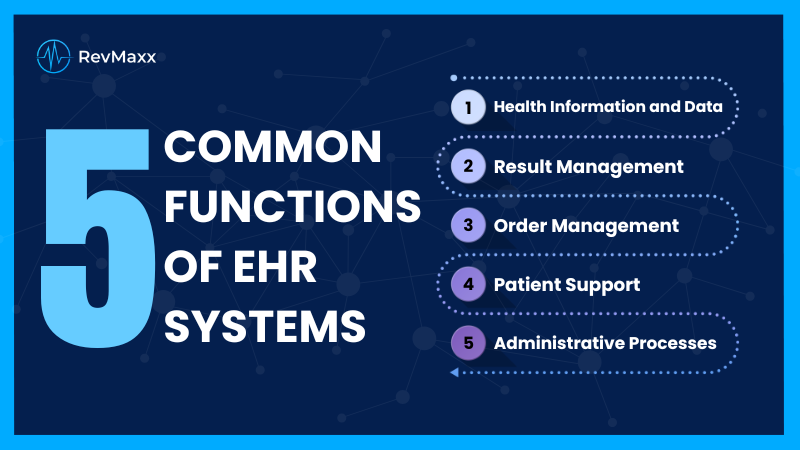
Most popular EHR systems are built by keeping healthcare providers’ daily core functions in mind:
1. Health Information and Data:
The major purpose of an EHR system is to collect and store a patient’s important information, including diagnoses, allergies, laboratory tests results, and medications. Healthcare providers are aided by EHRs in accessing the information rapidly, sharing, and analyzing the data so that they can provide more effective care.
2. Result Management:
An EHR should enable physicians, nurses, and other clinicians to access both previous and recent test results easily, wherever the patient is receiving care. It also enables results to be accessed by other clinicians. This is coordinating patient care as never before.
3. Order Management:
To enhance patient safety and coordination, an EHR system must enable healthcare professionals to input and monitor patient prescriptions, laboratory tests, and other orders for services in a single location. This minimizes the possibility of errors, eliminates duplicate testing, and accelerates delivery of care.
4. Patient Support:
EHRs give patients access to their health care information, educational resources, and chronic disease management tools. Self-testing and self-monitoring features are included in electronic health record systems, which allow patients to be self-activated and play an active role in their own care.
5. Administrative Processes:
EHR systems advantage healthcare professionals by streamlining day-to-day administrative tasks like scheduling, billing, and patient outreach. These kinds of healthcare practice management tools save time, reduce paperwork, and render healthcare centers more efficient.
What Are the Benefits of Having an Interoperable EHR System?
Interoperability means that two or more EHR systems, or EHR and different scribing tools or healthcare systems, can “talk” to each other and share information in real time. As a result, providers, patients, labs and pharmacies all can stay connected and make the healthcare system smoother, safer, and more efficient. Some of the key benefits are as follows:
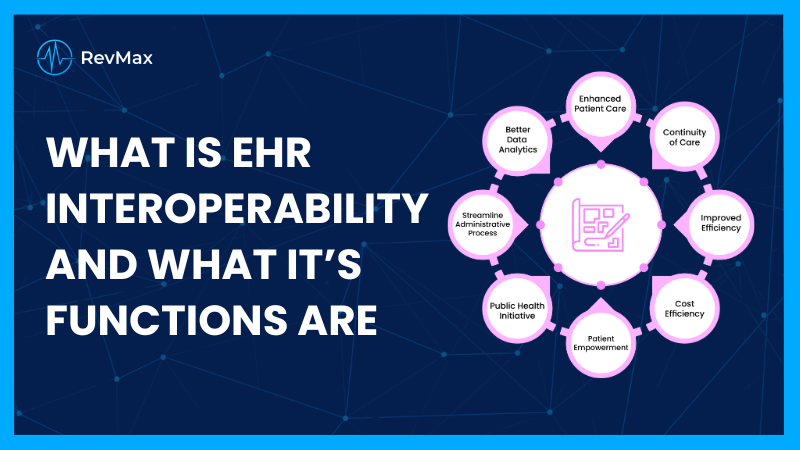
- Real-Time Data Exchange: Doctors and other healthcare staff can now get the most up-to-date patient medical records in one place. No more waiting for phone calls and paperwork. During emergency care situations, this ensures faster decision-making and timely care.
- Reduced Errors: Patient data gets transferred from one system to another automatically. So, healthcare workers do not have to re-type the data manually. This minimizes the chances of repeat testing, errors in prescribing, and missing outcomes.
- Better Patient Experience: When going to see a new physician or specialist, patients are not required to repeat their medical history and other information over and over again. Their health records accompany them wherever they go and can easily be made accessible by their physicians. Patient visits are thus made easier and less stressful.
- Improved Care Coordination: Interoperable EHRs enable primary care physicians, specialists, labs, imaging facilities, and pharmacies to share one record book and work off of it. This collaborative model results in improved patient treatment plans and minimizes the likelihood of gaps in care.
- Support for Value-Based Care: Modern healthcare facilities are now shifting from quantity to quality. EHR interoperability makes it easier for providers to track lab results, measure performance, and reward healthcare staff for delivering quality patient care.
What is an Example of EHR Interoperability?
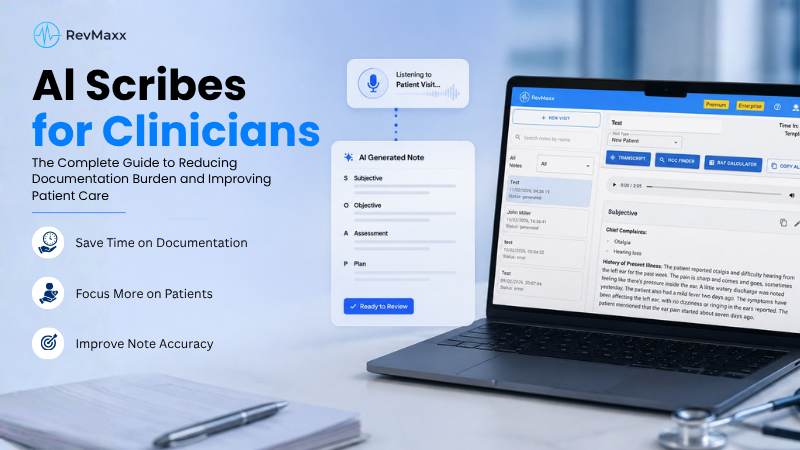
An example of an interoperable EHR is when a patient’s medical details can be shared across different healthcare providers. For instance, a doctor using a popular EHR system like PointClickCare EHR system and an AI medical scribe tool like RevMaxx for patient visits. Now PCC EHR has the details of patient scheduling, which is directly pulled by the scribe so that the doctors can have easy access to the patient’s details. After the patient visit and documentation, the generated notes are seamlessly pushed to the EHR system. This EHR interoperability helps doctors to easily access their everyday patient visits and even get the patient’s previous medical data and follow up from the EHR system at any time.
Not only does it save patient-provider time but also provides safe and coordinated patient care.
The Conclusion
Seamless EHR integration matters most, as it directly impacts patient safety, provider efficiency, and the overall success of healthcare practices. Without integration, providers face delays and errors. Only the integration makes healthcare faster, safer, and more connected.
For practices looking to stay competitive and patient-focused, investing in interoperable, integrated EHR systems is no longer optional; it’s the way forward.
Book a Demo to experience the seamless workflow!