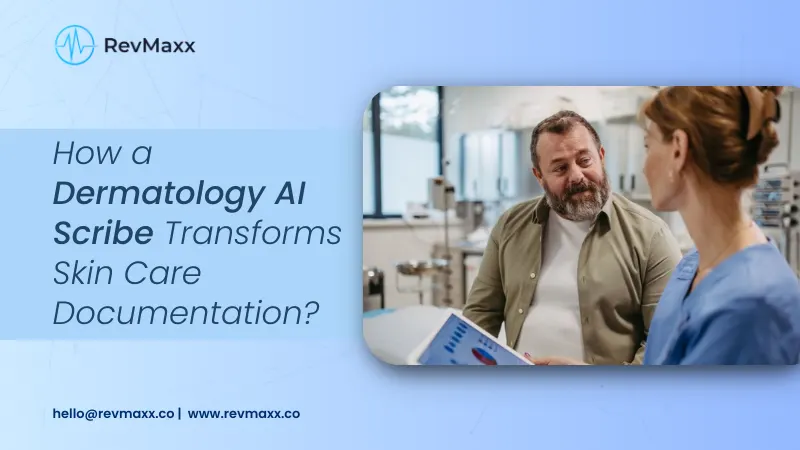
Dermatology is one of the fastest-moving medical specialties. Every visit involves close visual evaluation, detailed lesion descriptions, procedure documentation, and follow-up plans. While dermatologists want to focus on examining the skin and talking to patients, a large part of their day still goes into writing notes. This can be slow, repetitive, and mentally draining.
A dermatology AI scribe changes this scenario. It listens during the patient visit, captures the details, and creates clean, complete, and structured notes that match dermatology workflows. It helps reduce the typing burden and lets dermatologists spend more time looking at the skin, not the screen.
Let’s read this blog and learn how a dermatology AI scribe works, why dermatology needs a specialized approach, and what benefits it brings to clinics of all sizes.
What is a Dermatology AI Scribe?
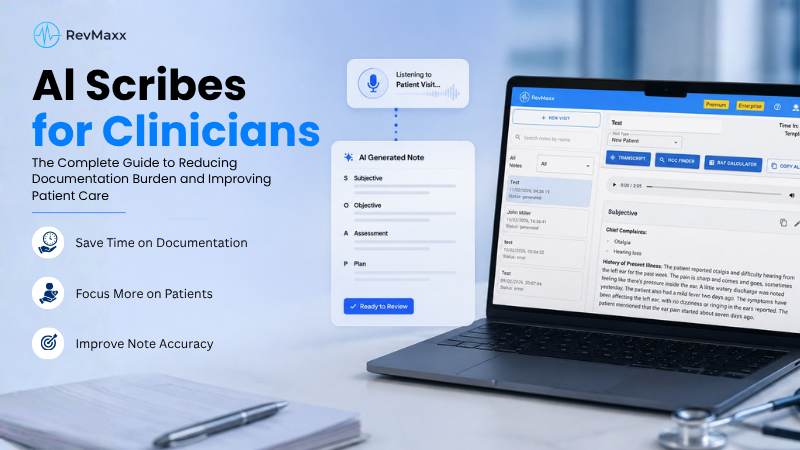
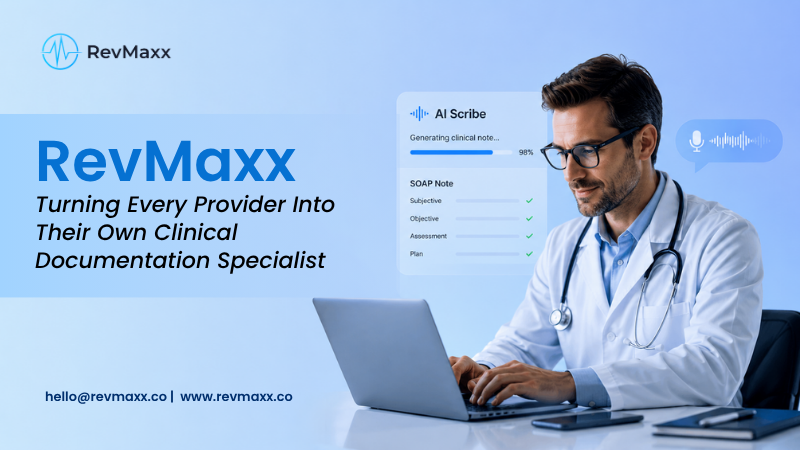
A dermatology AI scribe is a digital assistant that creates patient notes during a dermatology visit. It captures conversations, understands clinical terms and turns them into accurate documentation for the EHR. It works in real time and adapts to each dermatologist’s style.
Understanding AI-Powered Clinical Documentation
AI-powered clinical documentation tools use speech recognition, natural language processing (NLP) and medical language models to understand clinical interaction. When a dermatologist talks to a patient, the AI listens and converts those spoken details into structured notes, including:
- Exam findings
- Lesion descriptions
- Treatment plans
- Procedures performed
- Follow-up instructions
- Diagnosis coding
Instead of spending time typing long notes or clicking through templates, dermatologists can speak naturally and let the system build the documentation.
Why Dermatology Requires Specialized Note-Taking
Dermatology care clinical note is unique. It relies heavily on visual evaluation and precise descriptions. A generic documentation tool often misses these details or cannot capture visual patterns, lesion behavior, and mapping across body areas.
Dermatology notes require:
- Specific terms
- Detailed descriptions
- Accurate skin mapping
- Procedure workflows
- Cosmetic care details
The AI scribe must understand these elements to serve dermatologists well.
Visual Exams & Lesion Descriptions
Skin evaluations are detailed. Dermatologists examine color, border, texture, size, shape, and location of lesions. They describe rashes, pigmentation, and other changes with precision.
A dermatology AI scribe understands terms like:
- Erythematous
- Hyperpigmented
- Scaling plaque
- Pearly papule
- Actinic keratosis
- ABCD melanoma criteria
This helps it produce clear and accurate descriptions without missing subtle details.
Procedure-Heavy Workflows (Biopsies, Excisions, etc.)
Dermatology involves many procedures in a single day. The notes must capture:
- Indication for the procedure
- Technique used
- Site and dimensions
- Anesthesia details
- Consent
- Risks discussed
- Post-procedure care
A dermatology AI scribe is trained for these requirements so documentation becomes cleaner and faster.
Cosmetic Dermatology Documentation Needs
Cosmetic visits differ from medical visits. They involve clear before-and-after goals, treatment plans, and product or device details.
A specialized scribe supports:
- Botox dosing and injection sites
- Dermal fillers
- Chemical peels
- Laser sessions
- Skin rejuvenation plans
Each treatment type needs the right language and template structure.
Key Benefits of Using an AI Scribe in Dermatology
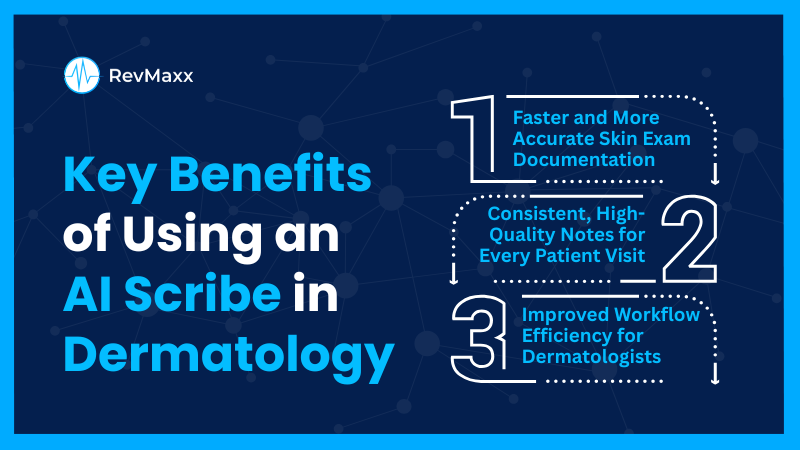
A Dermatology AI Scribe brings both clinical and operational benefits. It makes documentation faster, reduces manual work, and improves note quality for every visit. It supports dermatologists throughout the day and helps them stay focused on the patient instead of the computer.
Faster and More Accurate Skin Exam Documentation
Skin exams are visual and detailed. Typing them manually takes time. An AI scribe captures descriptions while the dermatologist examines the patient, creating accurate notes instantly. This allows the provider to describe findings out loud and keep both hands free during the exam.
Automated Lesion Mapping & Clinical Descriptions
The AI can record:
- Location of lesions
- Number of lesions
- Size and type
- Evolution patterns
- Associated symptoms
For example:
“3 mm pearly papule on the right forehead with telangiectasia”
This level of detail usually takes minutes to type, but the AI can generate it in seconds. It keeps the language clear and consistent across all visits.
Capturing Subtle Visual Findings
Dermatology depends on observing small changes. The AI supports subtle documentation like:
- Mild erythema
- Faint pigment network
- Slight crusting
- Thin scale
- Border irregularities
These small details matter when diagnosing or tracking conditions over time. Capturing them improves accuracy and strengthens continuity of care. It also helps other providers understand the exact skin findings without confusion.
Consistent, High-Quality Notes for Every Patient Visit
Consistency is a major challenge in dermatology documentation. Busy days can lead to short notes or missing details. An AI scribe maintains the same level of completeness for every patient, even when the schedule is tight.
SOAP Notes Tailored Specifically for Dermatology
Dermatology SOAP notes have a predictable flow:
- Subjective symptoms
- Objective skin findings
- Assessment
- Plan
The scribe fills these sections with specialty-specific terminology and structured exam fields. It keeps each section neat and easy to read. This makes notes useful not only for the treating provider but also for referring physicians.
Reduced Errors and Missing Details
Manual documentation sometimes skips details when clinics run behind schedule.
An AI scribe:
- Reduces typos
- Ensures clarity
- Ensures complete lesion descriptions
- Follows a structured pattern
- Makes notes readable for other providers
It also helps avoid common mistakes like missing measurements, incomplete procedure steps, or unclear assessment plans. This protects clinical accuracy and reduces the need for edits later.
Improved Workflow Efficiency for Dermatologists
AI scribes help dermatologists manage larger patient volumes with less stress. They support smooth workflows and reduce the workload that usually builds up at the end of the day.
Less Screen Time, More Patient Interaction
Dermatologists no longer need to look away from the patient to type. They can continue the exam while the note is created in the background. Eye contact improves communication and trust. Patients feel more engaged and better understood when the doctor is fully present.
Streamlined Charting for High-Volume Clinics
Busy clinics handle dozens of visits a day. An AI scribe cuts charting time by:
- Pre-filling templates
- Writing procedure notes
- Capturing exam findings in real time
- Auto-generating coding
It helps reduce end-of-day charting and lowers the mental load that comes with typing long notes. Dermatologists can complete documentation quickly without staying after hours. This boosts productivity and improves the overall clinic flow.
How a Dermatology AI Scribe Works in Real-Time
The process is simple and fits naturally into dermatology visits. It works quietly in the background and supports the dermatologist without interrupting the flow of the appointment.
Capturing Conversations During Skin Examinations
As the dermatologist talks through the exam, the AI listens and identifies what needs to be documented. It understands:
- Patient symptoms
- Duration of skin changes
- Lesion behavior
- Skin exam findings
- Management plans
- Biopsy or procedure details
It also picks up details from casual conversations, such as when a patient explains when a rash started or how a lesion has changed. The dermatologist does not need to change their speaking style. The AI adapts to natural conversation and learns the provider’s patterns over time.
This makes the exam smoother and lets the doctor stay fully focused on the skin, not the computer. The note is built in the background as the visit continues.
Translating Clinical Terms, Diagnoses & Procedures
The AI scribe converts verbal descriptions into medical language and structured documentation. It understands clinical terms used in dermatology and organizes them into clear sections.
It knows dermatology terms, ICD-10 codes, CPT codes, and common procedures. It can also separate findings from the assessment and plan, which helps keep the note easy to read. This translation happens in real time, so the note stays updated as soon as each detail is spoken.
ICD-10 and CPT Automation
Coding is a major time-consuming task. Dermatology involves many conditions and procedures. The AI can suggest relevant ICD-10 codes for diseases like:
- Psoriasis
- Acne vulgaris
- Atopic dermatitis
- Actinic keratosis
- Basal cell carcinoma
It also suggests CPT codes for:
- Biopsies
- Excision
- Destruction
- Cryotherapy
- Mohs
This automation helps avoid manual searching and reduces the chance of using the wrong code. It speeds up billing, improves accuracy, and lowers audit risk. Clinics can finish coding sooner and move on to the next task without delays.
Smart Templates for Common Dermatology Visits
The AI scribe uses templates designed for:
- Skin cancer screenings
- Acne follow-ups
- Cosmetic consultations
- Rash evaluations
- Lesion checks
These templates ensure consistency and improve clarity in documentation. They keep the note structure clean, so every section is complete and easy to review.
The templates also save time because the basic layout is already in place. The dermatologist only needs to confirm or adjust details instead of building the note from scratch. This helps both new and experienced providers work faster and stay organized.
AI Scribe Use Cases in Dermatology Practices
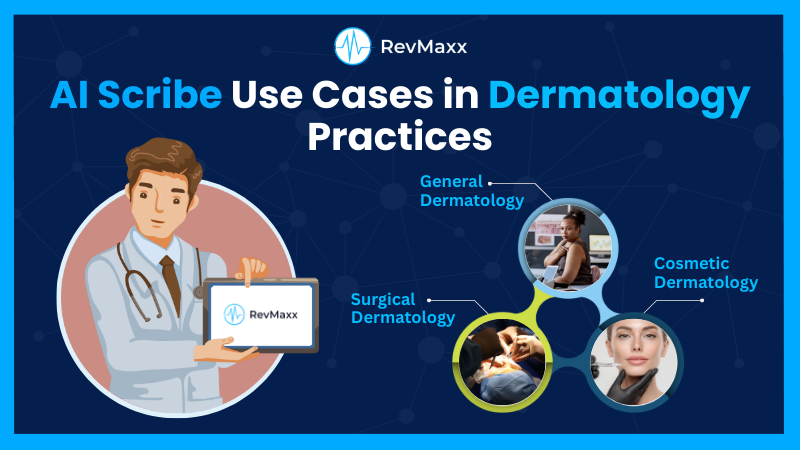
A dermatology AI scribe supports different subspecialties, allowing each type of visit to be documented with the right structure and terminology. It adapts to the dermatologist’s workflow and helps create complete notes for every patient, from medical to surgical to cosmetic care.
General Dermatology
Most dermatology visits fall into this category. These include chronic and acute skin conditions that need clear descriptions and structured follow-up plans.
Rashes, Lesions, Acne, Eczema, Psoriasis
The AI handles documentation for:
- New rashes
- Chronic dermatitis
- Pigmented lesions
- Acne grades
- Psoriatic plaques
- Scalp evaluations
- Nail abnormalities
It can capture important clinical details such as:
- Duration
- Severity
- Triggers
- Patterns
- Treatment response
It also notes distribution, lesion evolution, associated symptoms, and previous therapies tried by the patient. This level of detail supports accurate assessment and follow-up care. It helps track changes over time and ensures that each visit builds on the last one.
Surgical Dermatology
Surgical visits involve detailed documentation to ensure compliance, coding accuracy, and procedural clarity. These notes require step-by-step details so that the medical record is complete.
Mohs, Biopsies, Excisions
The AI supports:
- Punch biopsies
- Shave biopsies
- Elliptical excisions
- Mohs surgery mapping
- Pathology notes
- Margin status
- Wound care instructions
It also helps record:
- Anesthesia used
- Consent discussion
- Number of stages (for Mohs)
- Closure type
- Lesion size and margins
It captures the entire workflow from the initial decision to biopsy to the final closure. This ensures procedural notes meet legal and medical standards. It also makes documentation cleaner for pathologists and future visits. The scribe can also record post-op plans, infection precautions, and follow-up schedules. This helps patients understand what to do after the procedure and supports continuity of care.
Cosmetic Dermatology
Cosmetic care is growing fast. Documentation needs are different from medical visits because they include patient goals, preferences, and cosmetic outcomes. Clear notes help with consistency and repeat treatments.
Botox, Fillers, Laser Procedures
The AI scribe documents:
- Injection sites
- Units used
- Product type
- Techniques
- Laser settings
- Treatment goals
- Post-care plans
It also records patient preferences, previous cosmetic treatments, and expected outcomes. These notes are important because many cosmetic visits rely on precision and repeatability.
The scribe can track:
- Before-and-after treatment notes
Areas of concern - Skin tone and texture issues
- Sensitivities or contraindications
This helps dermatologists provide tailored care at each visit and maintain accurate cosmetic records. It also supports better communication during follow-ups.
Why Dermatology Practices Are Adopting AI Scribes
Dermatology teams are turning to AI scribes because daily documentation demands keep getting heavier. Most dermatologists spend a large share of their day typing notes, updating charts, and managing follow-ups. This leaves less time for patients and adds pressure to an already busy workflow. AI scribes help reduce that load by handling routine documentation work during and after each visit. This gives providers more breathing room and lowers overall stress.
Reduced Burnout and Administrative Load
Burnout is a real issue in dermatology. Providers often complete notes after clinic hours, which affects work–life balance. An AI scribe can capture details during the visit and prepare the first draft of the note. This reduces late-night charting and cuts down on manual tasks. With fewer administrative steps, dermatologists can focus on care instead of paperwork.
Enhanced Patient Experience
When providers are not tied to a screen, patient visits feel more personal. Dermatologists can look at the patient, listen better, and build trust. Shorter wait times and smoother visits also improve the overall experience. Patients appreciate when their doctor is fully present.
Higher Documentation Accuracy & Compliance
Dermatology notes must be precise. AI scribes help organize findings, use the right terms, and follow required formats. This leads to cleaner notes, fewer errors, and better compliance with standards. It also supports clear communication across the care team.
Choosing the Right AI Scribe for Dermatology
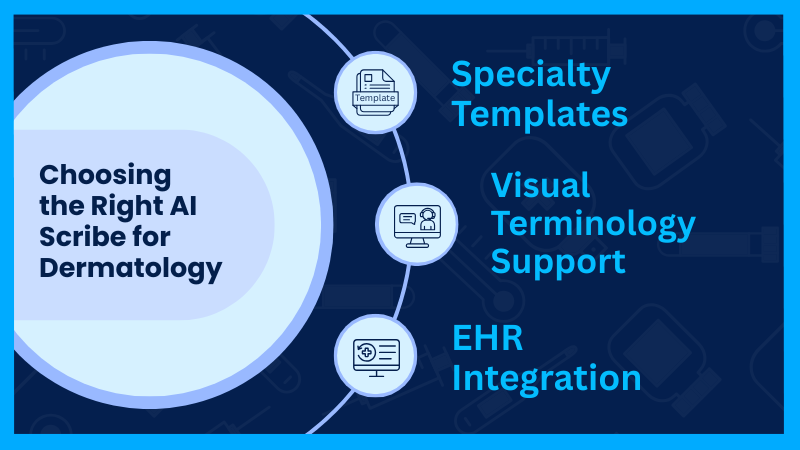
Picking the right AI scribe matters because dermatology needs precise and structured documentation. Every visit involves detailed skin findings, patterns, and terminology. A good scribe should support these needs without adding extra steps to your workflow. The goal is to make charting faster, clearer, and easier for both providers and staff.
Must-Have Features in AI Scribe
Dermatology practices should look for features that match how they work every day. The best tools make documentation smooth, reduce clicks, and help providers stay focused during visits. Below are key features that truly make a difference.
Specialty Templates
Dermatology notes are different from general medical notes. They must include lesion types, skin exams, and treatment plans. Specialty templates help organize these details in a clear and consistent way. They save time, reduce errors, and guide providers through each section of the note.
Visual Terminology Support
Skin conditions often rely on specific visual terms like color, shape, pattern, and size. A good AI scribe should understand and capture these descriptions correctly. This helps create more accurate notes and ensures the findings match what the provider observed.
EHR Integration
Smooth EHR integration is essential. The AI scribe should sync notes, diagnoses, and updates directly into the system you already use. This reduces double work, avoids mistakes, and keeps your workflow simple and fast.
The Final Thoughts
AI-powered dermatology medical scribe is a powerful tool that transforms documentation in skin care. It helps dermatologists work faster, document more accurately, and spend more time with patients instead of typing. It understands visual exams, procedure workflows, and cosmetic care, making it ideal for all dermatology settings.
As clinics handle more patients and more complex cases, AI scribe tools will become even more valuable. They reduce administrative load, improve note quality, and create a smoother workflow for dermatologists and their teams.
Dermatology is a specialty built on observation and detail, and a specialized AI scribe brings that same level of precision to documentation.